LogoQDD Actuator
Start inquiry
LogoQDD Actuator
WhatsApp
LogoQDD Actuator

Shenzhen and Dongguan QDD actuator factory network supporting robot joint selection, prototype validation, sample review, and B2B export delivery.

Inquiry Email

[email protected]

Email app

Include robot type, joint location, torque/speed/voltage targets, quantity, and destination.

Instant Chat

+86 18857971991

Chat on WhatsApp

Send QDD actuator specs, STEP files, or actuator references for engineering review.

Products
  • QDD Robot Actuators
  • Backdrivable Actuators
  • Hollow-Shaft QDD Actuators
  • All Products
Solutions
  • Quadruped Robots
  • Humanoid Lower Limbs
  • Exoskeletons
  • All Applications
OEM Capabilities
  • Custom QDD Actuator
  • Prototype to Production
  • Private-Label Actuators
  • OEM Hub
Engineering
  • QDD Explained
  • QDD vs Harmonic Drive
  • Thermal Sizing
  • All Engineering Resources
  • QDD Actuator Blog
  • Buyer Resources
Resources
  • CAD / Datasheet Library
  • Developer Support
  • Compliance Documents
  • About
  • Manufacturing Network
  • Contact / RFQ
  • Privacy Policy
  • Cookie Policy
  • Terms of Service
© 2026 QDD Actuator. All Rights Reserved.|Direct QDD actuator RFQ: [email protected] | WhatsApp +86 18857971991 | LinkedIn contact.
Backed by Linkup Ai Co., Ltd. Manufacturing delivered by the Advanced Manufacturing Division of Linkup Precision.|Legal entity: Linkup Ai Co., Ltd.
← Back to Products

Backdrivable Actuators

QDD actuator platforms for physical interaction, impact absorption, and torque-control workflows where low mechanical impedance matters.

Target Buyer:Best for teams prioritizing compliance, controllability, and disturbance response over maximum static holding stiffness.
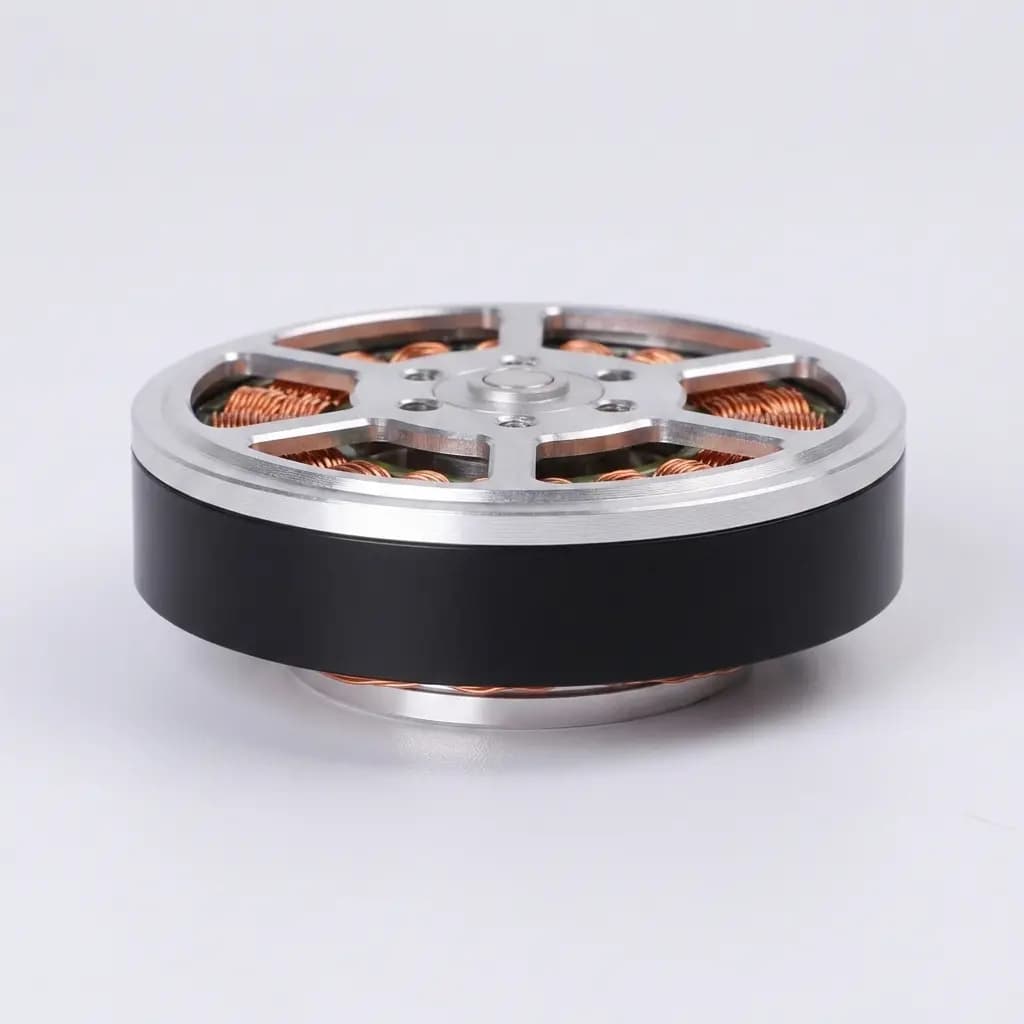
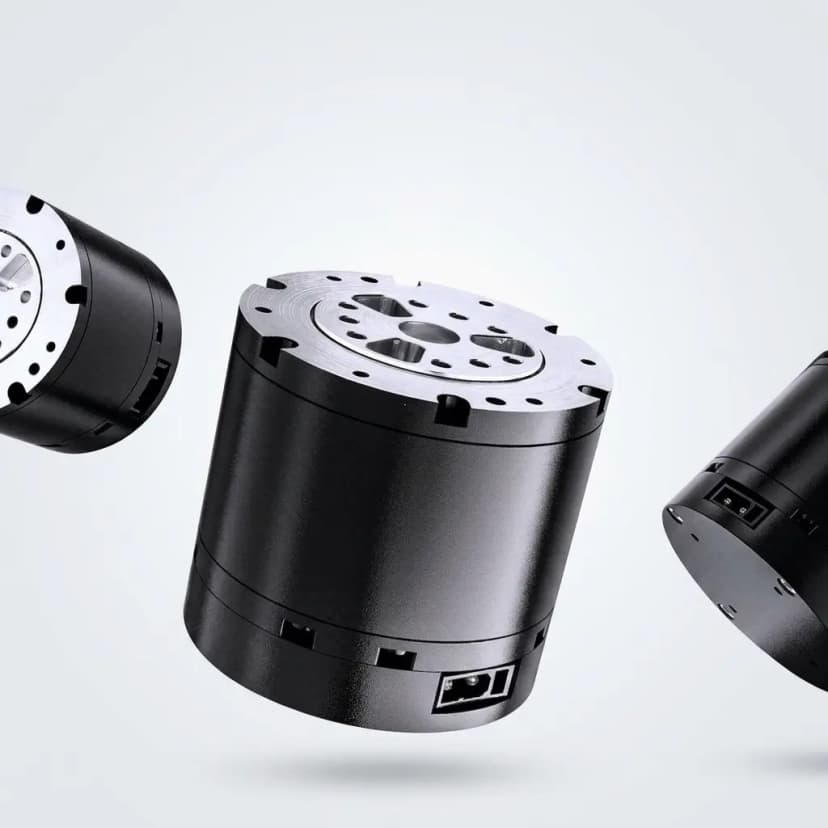
High-torque QDD actuator module for legged robot and exoskeleton joints

Capability Highlights

  • Low mechanical impedance design direction
  • Transmission choices that support force-control-friendly joints
  • Useful for walking, jumping, wearable, and human-interactive robots

Typical Applications

  • Legged robot joints
  • Exoskeleton and wearable robotics
  • Collaborative mobile manipulation

Engineering Focus

  • Backdrive torque, friction, and reflected inertia targets
  • Impact load, allowable deflection, and recovery behavior
  • Torque-control loop, encoder resolution, current limit, and bus latency

Buyer Decision Summary

A buyer should leave this page with a shortlist decision: whether this actuator family deserves a sample review, what must be measured first, and which constraints must be fixed before price comparison.

Best Evidence

Start with backdrive torque and connect it to the real robot duty cycle instead of reviewing catalog values alone.

Primary Risk

Backdrivability target conflicts with holding torque

Next Buyer Action

Prepare backdrivability target or comparison actuator plus validation targets before requesting samples or commercial terms.

How to Evaluate This Actuator Family

Use this page to turn a product family into a shortlist decision. The useful comparison is not one headline torque number; it is how the actuator behaves inside the real robot joint.

Backdrive torque

0.3–1.5 Nm unpowered (6:1 planetary), <0.5 Nm target for exoskeletons

Shows how much external torque is needed to move the joint without a motor command.

Reflected inertia

0.03–0.08 kg·m² (QDD 6:1–10:1) vs 2–8 kg·m² (harmonic 50:1–100:1)

Improves interaction behavior and reduces collision harshness.

Friction and cogging feel

Torque ripple <5% of continuous rating at 1 rad/s

Affects torque transparency, gait tuning, and hand-guided motion.

Sample Validation Plan

Before a batch decision, buyers should define the evidence expected from sample review and internal testing.

Signal to CheckReview BasisEvidence to Ask For
Backdrive torque0.3–1.5 Nm unpowered (6:1 planetary), <0.5 Nm target for exoskeletonsSeparate dynamic motion requirements from static brake or holding requirements during selection.
Reflected inertia0.03–0.08 kg·m² (QDD 6:1–10:1) vs 2–8 kg·m² (harmonic 50:1–100:1)Check motor thermal margin and peak current limit before committing to the ratio.
Friction and cogging feelTorque ripple <5% of continuous rating at 1 rad/sSeparate dynamic motion requirements from static brake or holding requirements during selection.

Acceptance Thresholds to Define

Define measurable pass/fail thresholds before the sample arrives. This prevents a subjective review where one team checks torque, another checks packaging, and nobody records whether the actuator can move toward pilot build.

  • Backdrive torque: Shows how much external torque is needed to move the joint without a motor command.
  • Reflected inertia: Improves interaction behavior and reduces collision harshness.
  • Friction and cogging feel: Affects torque transparency, gait tuning, and hand-guided motion.

When This Family May Not Fit

A QDD actuator family is valuable only when the application needs its trade-offs. The same module can be a poor fit when the surrounding joint requirements point in a different direction.

  • Backdrivability target conflicts with holding torque: Separate dynamic motion requirements from static brake or holding requirements during selection.
  • A low-ratio joint is chosen without enough torque margin: Check motor thermal margin and peak current limit before committing to the ratio.

Buyer Inputs That Improve the First Reply

A complete first inquiry shortens review loops because engineering can separate fixed constraints from adjustable actuator choices.

Fixed Constraints

  • Backdrivability target or comparison actuator
  • Expected external force or impact scenario
  • Torque sensor, encoder, and control bus preference

Review Targets

  • Static holding requirement and whether a brake is needed
  • Joint envelope and cable routing constraints

Key Evaluation Matrix

MetricTypical RangeWhy It Matters
Backdrive torque0.3–1.5 Nm unpowered (6:1 planetary), <0.5 Nm target for exoskeletonsShows how much external torque is needed to move the joint without a motor command.
Reflected inertia0.03–0.08 kg·m² (QDD 6:1–10:1) vs 2–8 kg·m² (harmonic 50:1–100:1)Improves interaction behavior and reduces collision harshness.
Friction and cogging feelTorque ripple <5% of continuous rating at 1 rad/sAffects torque transparency, gait tuning, and hand-guided motion.

Engineering Documents by RFQ

Document packages are shared after the actuator family, joint envelope, and program context are clear. Ask for available datasheets, drawings, CAD files, torque-speed notes, compliance records, or test reports during RFQ review.

DocumentStatusRFQ Input Needed
Datasheet PDFAvailable by actuator class reviewTorque, speed, voltage, and quantity target
2D drawingAvailable by mechanical envelope reviewShaft, flange, bolt pattern, and connector constraints
3D CAD / STEP / IGESShared when applicable after RFQ contextJoint envelope, mounting direction, and confidentiality needs
Torque-speed / thermal envelopeProgram-dependent reviewDuty cycle, ambient temperature, current limit, and mounting heat path
Compliance or test reportsRequestable per program when availableDestination market and required document list
How to Request CAD / DatasheetsCompliance Document Scope

RFQ Checklist

  1. Backdrivability target or comparison actuator
  2. Expected external force or impact scenario
  3. Torque sensor, encoder, and control bus preference
  4. Static holding requirement and whether a brake is needed
  5. Joint envelope and cable routing constraints

Risk Controls

  • Backdrivability target conflicts with holding torque: Separate dynamic motion requirements from static brake or holding requirements during selection.
  • A low-ratio joint is chosen without enough torque margin: Check motor thermal margin and peak current limit before committing to the ratio.

Product Gallery

High-torque QDD actuator module for quadruped and exoskeleton development
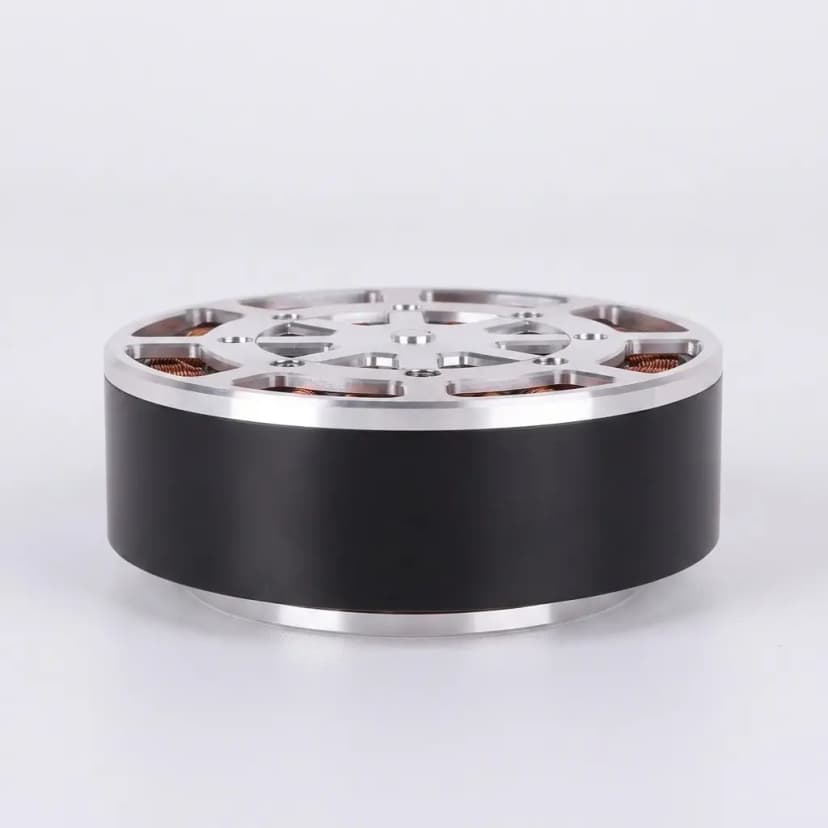
Outer-rotor brushless torque motor for backdrivable robot joint review
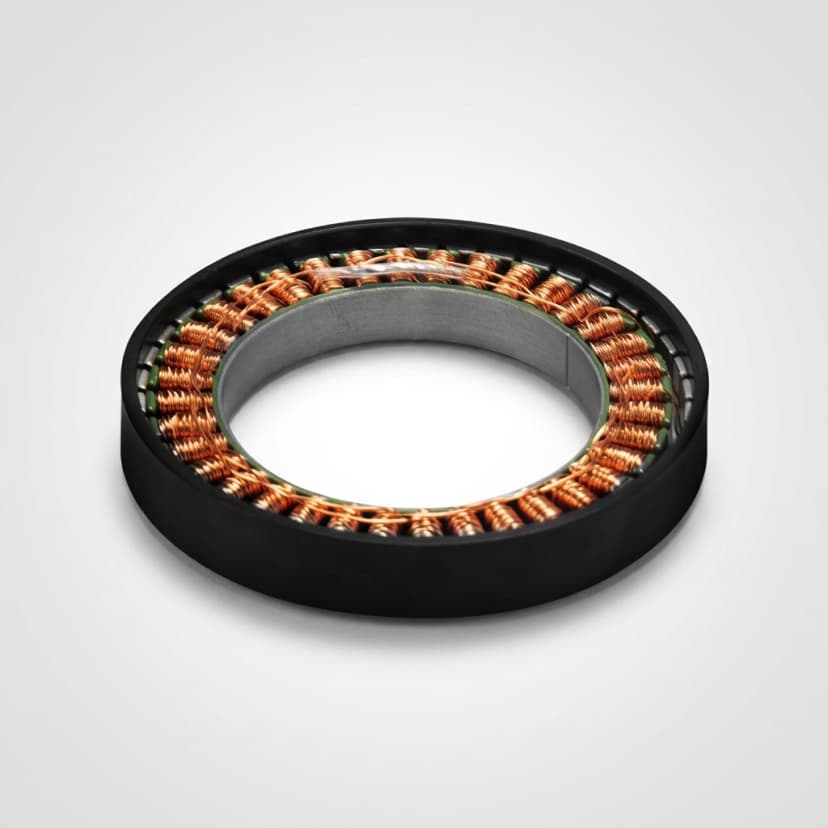
Outer-rotor torque motor module for dynamic robot joint applications
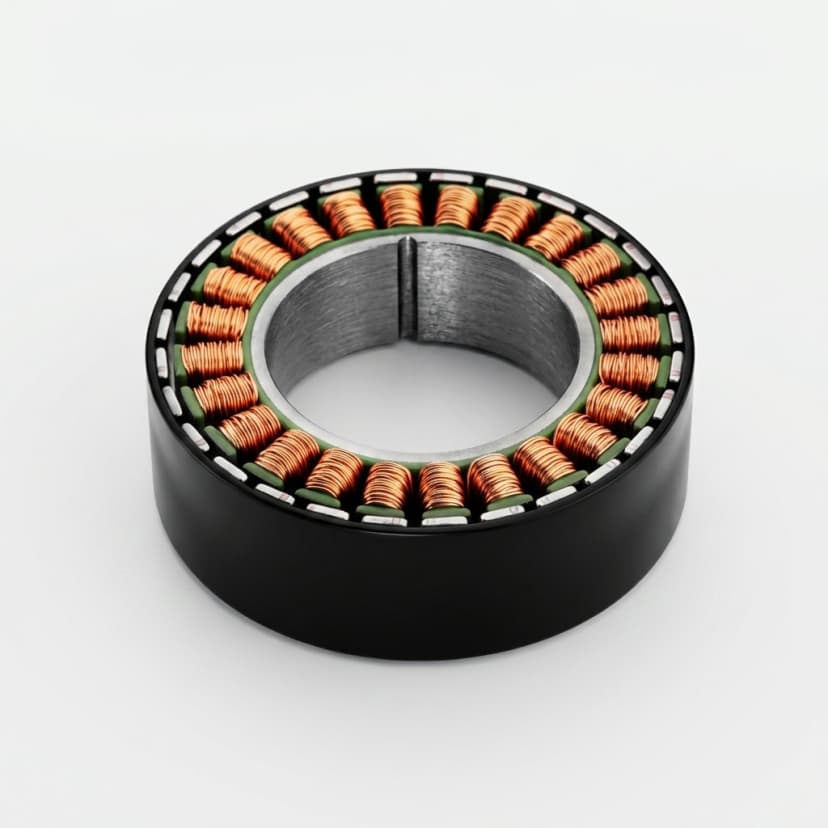
Compact 14 Nm quasi-direct-drive module for legged robot joint review

Buyer FAQ

Are backdrivable actuators always better?

No. They fit dynamic and interactive robots. High-ratio precision joints may still fit static or ultra-precise axes.

Can backdrive torque be tuned?

It can be influenced through ratio, bearing layout, seal/friction design, motor sizing, and controller strategy, but it should be validated on samples.

Related Resources

  • Backdrivability and Reflected Inertia
  • Exoskeleton Applications
  • Contact / RFQ

Inquiry Email

[email protected]

Email app

Include robot type, joint location, torque/speed/voltage targets, quantity, and destination.

Instant Chat

+86 18857971991

Chat on WhatsApp

Send QDD actuator specs, STEP files, or actuator references for engineering review.