LogoQDD Actuator
Start inquiry
LogoQDD Actuator
WhatsApp
LogoQDD Actuator

Shenzhen and Dongguan QDD actuator factory network supporting robot joint selection, prototype validation, sample review, and B2B export delivery.

Inquiry Email

[email protected]

Email app

Include robot type, joint location, torque/speed/voltage targets, quantity, and destination.

Instant Chat

+86 18857971991

Chat on WhatsApp

Send QDD actuator specs, STEP files, or actuator references for engineering review.

Products
  • QDD Robot Actuators
  • Backdrivable Actuators
  • Hollow-Shaft QDD Actuators
  • All Products
Solutions
  • Quadruped Robots
  • Humanoid Lower Limbs
  • Exoskeletons
  • All Applications
OEM Capabilities
  • Custom QDD Actuator
  • Prototype to Production
  • Private-Label Actuators
  • OEM Hub
Engineering
  • QDD Explained
  • QDD vs Harmonic Drive
  • Thermal Sizing
  • All Engineering Resources
  • QDD Actuator Blog
  • Buyer Resources
Resources
  • CAD / Datasheet Library
  • Developer Support
  • Compliance Documents
  • About
  • Manufacturing Network
  • Contact / RFQ
  • Privacy Policy
  • Cookie Policy
  • Terms of Service
© 2026 QDD Actuator. All Rights Reserved.|Direct QDD actuator RFQ: [email protected] | WhatsApp +86 18857971991 | LinkedIn contact.
Backed by Linkup Ai Co., Ltd. Manufacturing delivered by the Advanced Manufacturing Division of Linkup Precision.|Legal entity: Linkup Ai Co., Ltd.
Applications

QDD Actuator Applications

Select the robot use case to review torque, speed, backdrivability, impact, reflected inertia, thermal, packaging, and bus-interface considerations before RFQ.

Each solution page is written for buyer-side decisions: what to validate first, where project risk usually appears, and what data should be included in the initial RFQ to avoid quote loops.

Application Selection Workflow

  1. Map your robot type, joint location, and motion profile.
  2. Define torque-speed-voltage targets and repeated duty cycle.
  3. Match QDD architecture to control stack, reflected inertia, and thermal envelope.
  4. Freeze prototype validation gates before PO release.

Application references

Actuator modules for legged, humanoid, wearable, and research robots

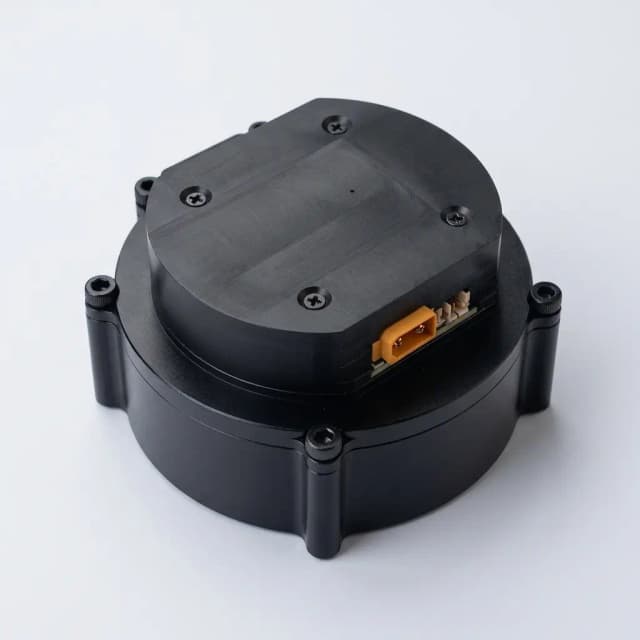
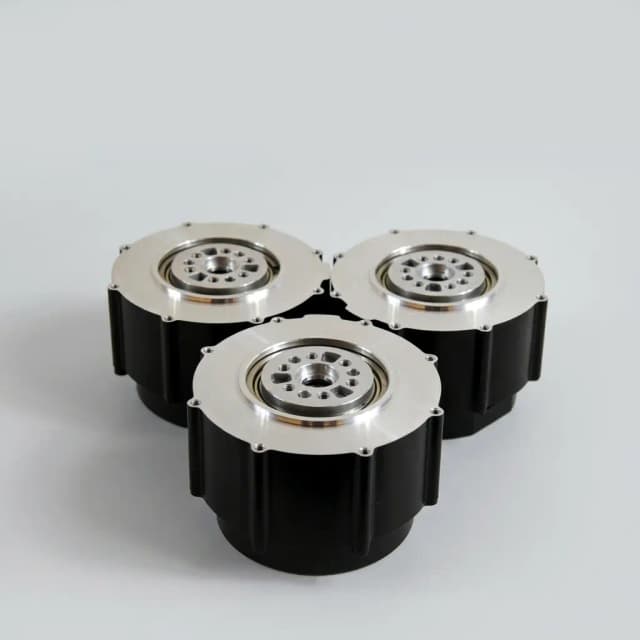
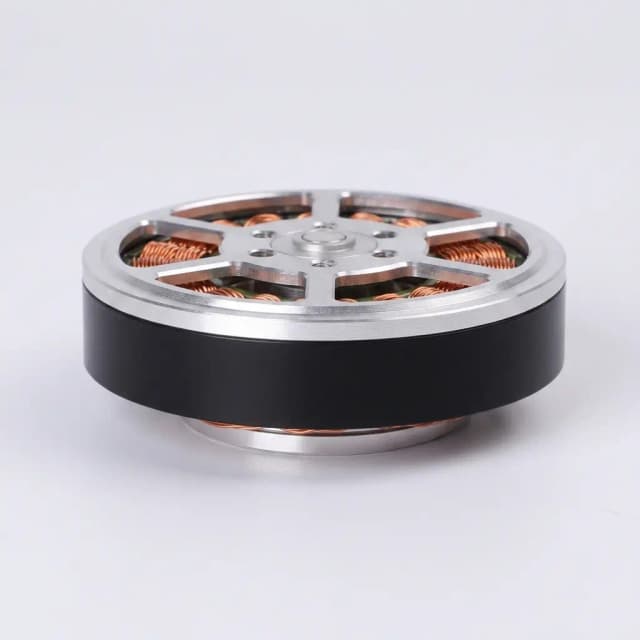
These visuals help buyer-side teams discuss joint location, impact load, wiring path, reflected inertia, thermal duty, and prototype validation before sending a detailed RFQ.

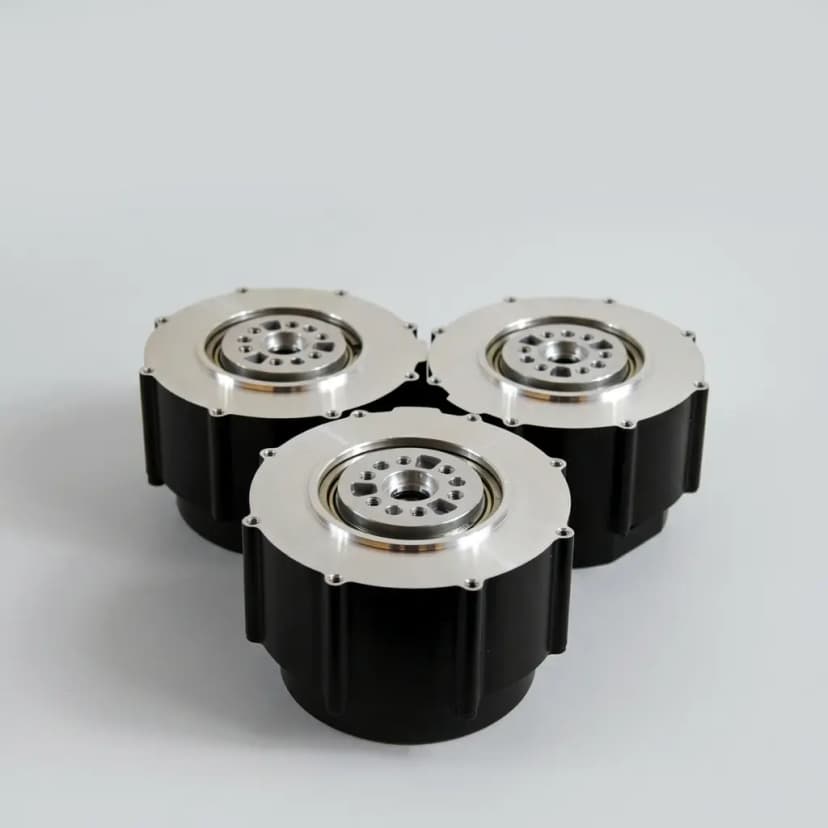
Integrated robot dog joint actuator module for quadruped platforms
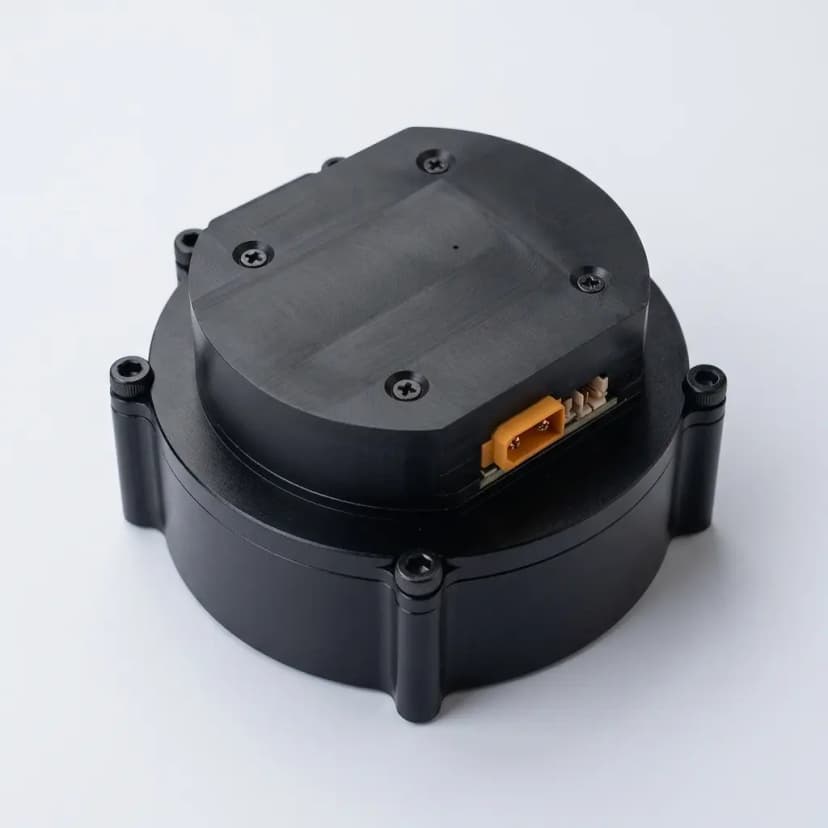
Integrated 36 Nm QDD actuator module for high-torque robot joints
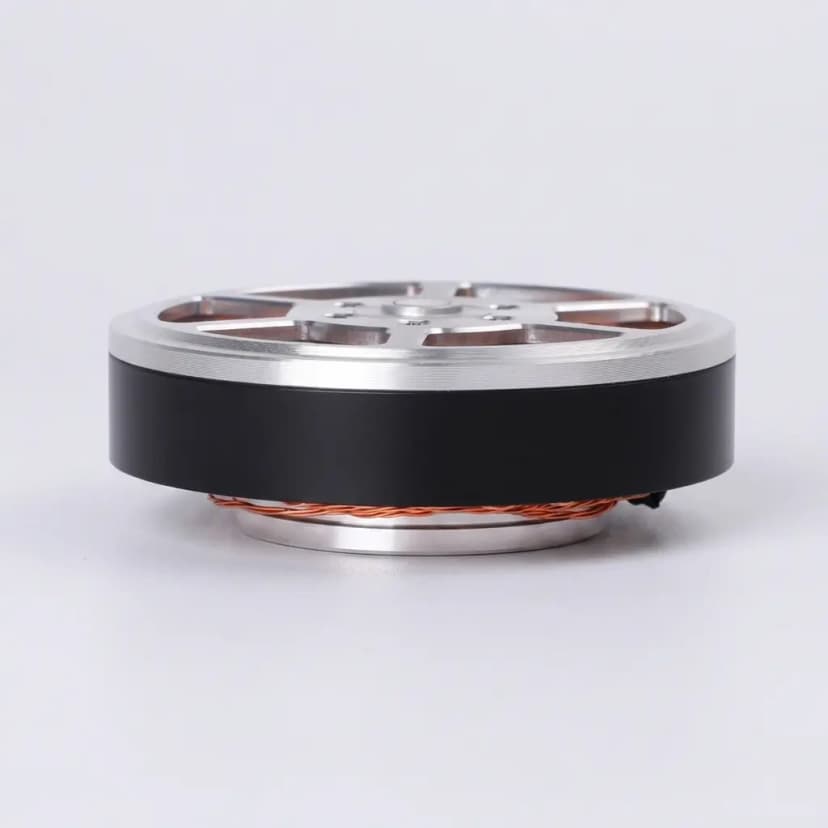
QDD module for high-torque legged robot and wearable robotics applications
Compact robot joint actuator module for QDD robot platforms
Compact robot joint module for research and prototype actuator programs
Integrated robot dog joint actuator module for quadruped platforms

QDD Actuators for Quadruped Robots

Actuator selection support for robot dog hip, knee, and ankle joints that need repeated impact handling, dynamic gait response, and clean cable routing.

Best for teams building quadrupeds that need robust QDD joints instead of catalog-only motor assemblies.

  • Hip, knee, and ankle torque-class review
  • Shock-load and repeated gait duty-cycle screening
  • Sealed housing, cable routing, and sample validation planning
View details
Integrated 36 Nm QDD actuator module for high-torque robot joints

QDD Actuators for Humanoid Lower Limbs

Engineering support for hip, knee, and ankle actuator programs where compact packaging, torque density, and impact response are decisive.

Best for humanoid robot teams narrowing QDD actuator options for lower-limb prototypes.

  • Lower-limb torque class mapping
  • Compact hollow routing and cable path review
  • Prototype-to-batch sourcing path for humanoid joint modules
View details
High-torque QDD actuator module for legged robot and exoskeleton joints

QDD Actuators for Exoskeletons

Backdrivable QDD actuator review for wearable and assistive robotics where low impedance, torque transparency, and compact packaging matter.

Best for engineering teams evaluating QDD modules for wearable robot prototypes and controlled research platforms.

  • Low-impedance joint behavior for wearer interaction
  • Torque-control and encoder/interface review
  • Weight, noise, cable routing, and thermal comfort considerations
View details
Compact robot joint actuator module for QDD robot platforms

QDD Actuators for Mobile Manipulators

Compact QDD joint module support for mobile robot arms and manipulator axes that need responsive control in battery-powered platforms.

Best for teams integrating compact QDD joints into mobile platforms with limited power, space, and thermal budget.

  • Compact joint-module review for mobile robot arms
  • Communication bus, encoder, and driver integration support
  • Duty-cycle and thermal checks for battery-powered systems
View details
Compact robot joint module for research and prototype actuator programs

QDD Actuators for Research Robots

QDD actuator sample and customization support for labs, early-stage robot teams, and engineering teams validating torque control, locomotion, and human-robot interaction.

Best for teams that need accessible QDD samples plus enough engineering context to validate a research platform.

  • Sample-oriented RFQ path for lab prototypes
  • Datasheet, drawing, CAD, and torque-curve documents available by request when applicable
  • Engineering discussion around protocol, encoder, and controller integration
View details

Solution Comparison Snapshot

SolutionPrimary Buyer FocusKey MetricWhy It Matters
QDD Actuators for Quadruped RobotsBest for teams building quadrupeds that need robust QDD joints instead of catalog-only motor assemblies.Peak torque reserve: 2.5–3× static torque during trot, 5× during jump landingQuadruped joints see short transient loads beyond nominal motion requirements.
QDD Actuators for Humanoid Lower LimbsBest for humanoid robot teams narrowing QDD actuator options for lower-limb prototypes.Torque density: 30–50 Nm/kg target for hip/knee, 40–60 Nm/kg for ankleHumanoid lower limbs are constrained by weight, volume, and battery runtime.
QDD Actuators for ExoskeletonsBest for engineering teams evaluating QDD modules for wearable robot prototypes and controlled research platforms.Backdrive feel: <0.5 Nm backdrive for wearable comfort, <1.0 Nm acceptable for industrialWearable joints must not feel harsh or overly resistive when interacting with the user.
QDD Actuators for Mobile ManipulatorsBest for teams integrating compact QDD joints into mobile platforms with limited power, space, and thermal budget.Payload-to-joint mass fit: 3–10 kg payload range, joint mass 0.4–1.5 kgMobile robots have tight payload, battery, and stability budgets.
QDD Actuators for Research RobotsBest for teams that need accessible QDD samples plus enough engineering context to validate a research platform.Sample availability fit: 1–5 pcs in 2–4 weeks, 10+ pcs in 4–6 weeksResearch projects often need realistic lead times before funding or platform deadlines.

Inquiry Email

[email protected]

Email app

Include robot type, joint location, torque/speed/voltage targets, quantity, and destination.

Instant Chat

+86 18857971991

Chat on WhatsApp

Send QDD actuator specs, STEP files, or actuator references for engineering review.