LogoQDD Actuator
Start inquiry
LogoQDD Actuator
WhatsApp
LogoQDD Actuator

Shenzhen and Dongguan QDD actuator factory network supporting robot joint selection, prototype validation, sample review, and B2B export delivery.

Inquiry Email

[email protected]

Email app

Include robot type, joint location, torque/speed/voltage targets, quantity, and destination.

Instant Chat

+86 18857971991

Chat on WhatsApp

Send QDD actuator specs, STEP files, or actuator references for engineering review.

Products
  • QDD Robot Actuators
  • Backdrivable Actuators
  • Hollow-Shaft QDD Actuators
  • All Products
Solutions
  • Quadruped Robots
  • Humanoid Lower Limbs
  • Exoskeletons
  • All Applications
OEM Capabilities
  • Custom QDD Actuator
  • Prototype to Production
  • Private-Label Actuators
  • OEM Hub
Engineering
  • QDD Explained
  • QDD vs Harmonic Drive
  • Thermal Sizing
  • All Engineering Resources
  • QDD Actuator Blog
  • Buyer Resources
Resources
  • CAD / Datasheet Library
  • Developer Support
  • Compliance Documents
  • About
  • Manufacturing Network
  • Contact / RFQ
  • Privacy Policy
  • Cookie Policy
  • Terms of Service
© 2026 QDD Actuator. All Rights Reserved.|Direct QDD actuator RFQ: [email protected] | WhatsApp +86 18857971991 | LinkedIn contact.
Backed by Linkup Ai Co., Ltd. Manufacturing delivered by the Advanced Manufacturing Division of Linkup Precision.|Legal entity: Linkup Ai Co., Ltd.
← Back to Solutions

QDD Actuators for Quadruped Robots

Actuator selection support for robot dog hip, knee, and ankle joints that need repeated impact handling, dynamic gait response, and clean cable routing.

Target Buyer:Best for teams building quadrupeds that need robust QDD joints instead of catalog-only motor assemblies.
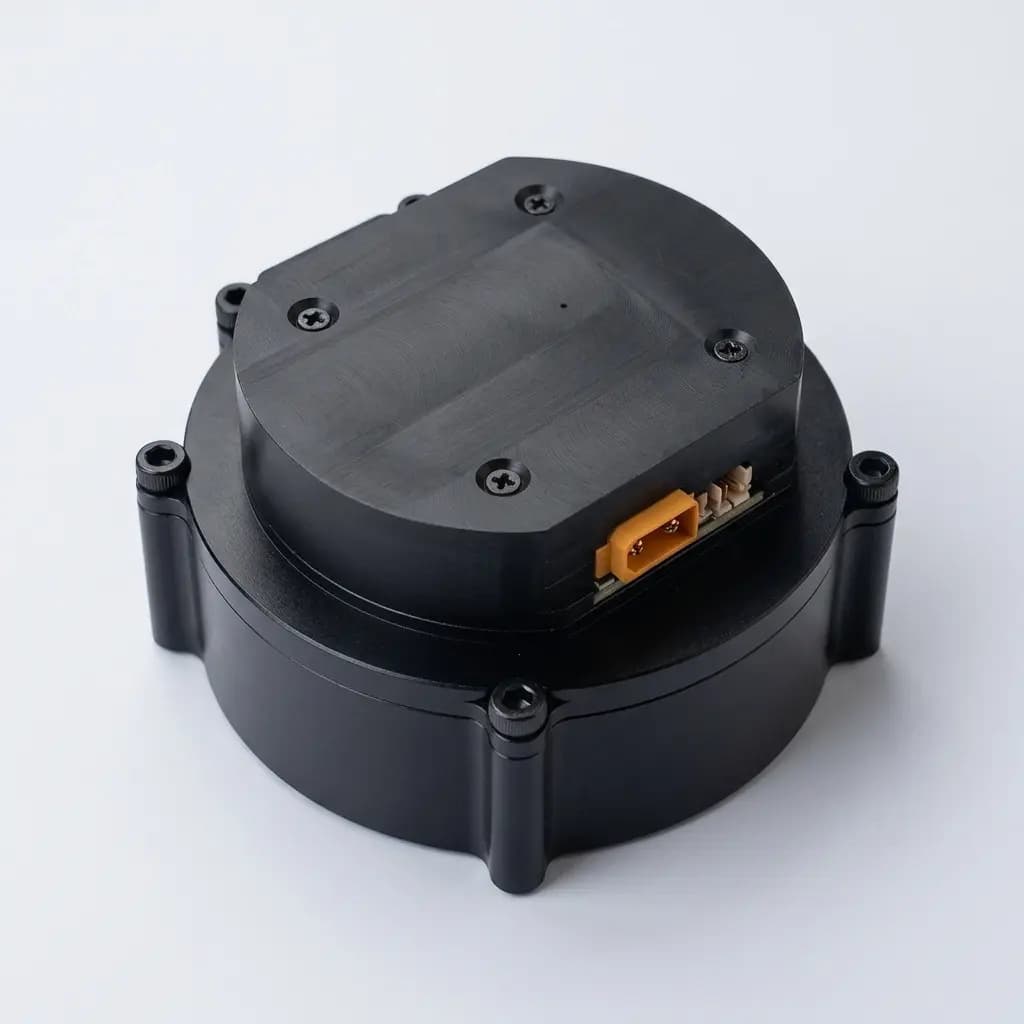
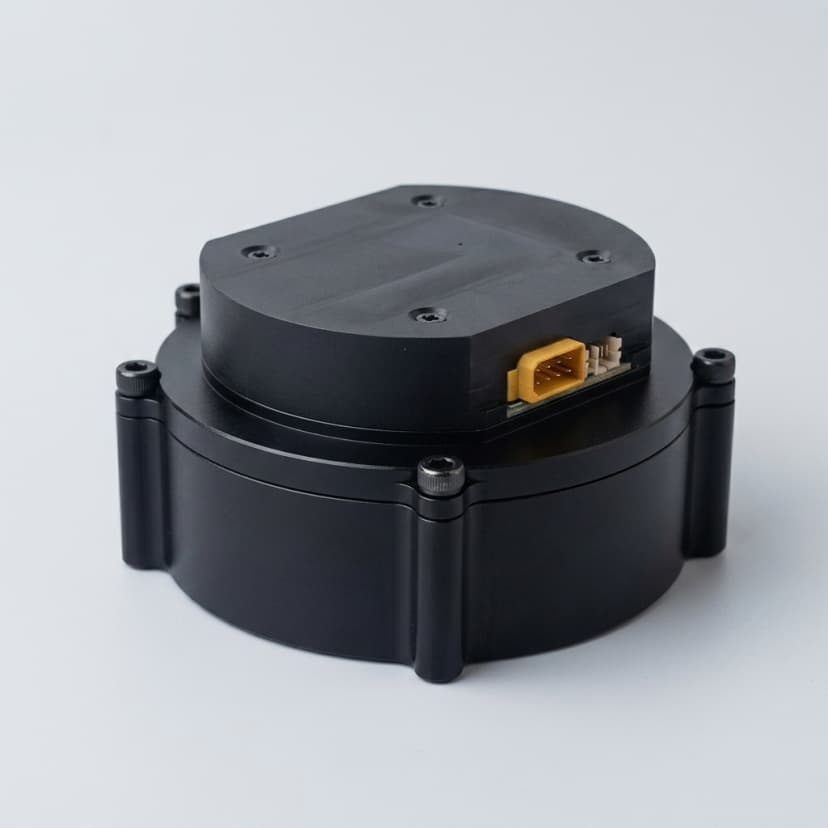
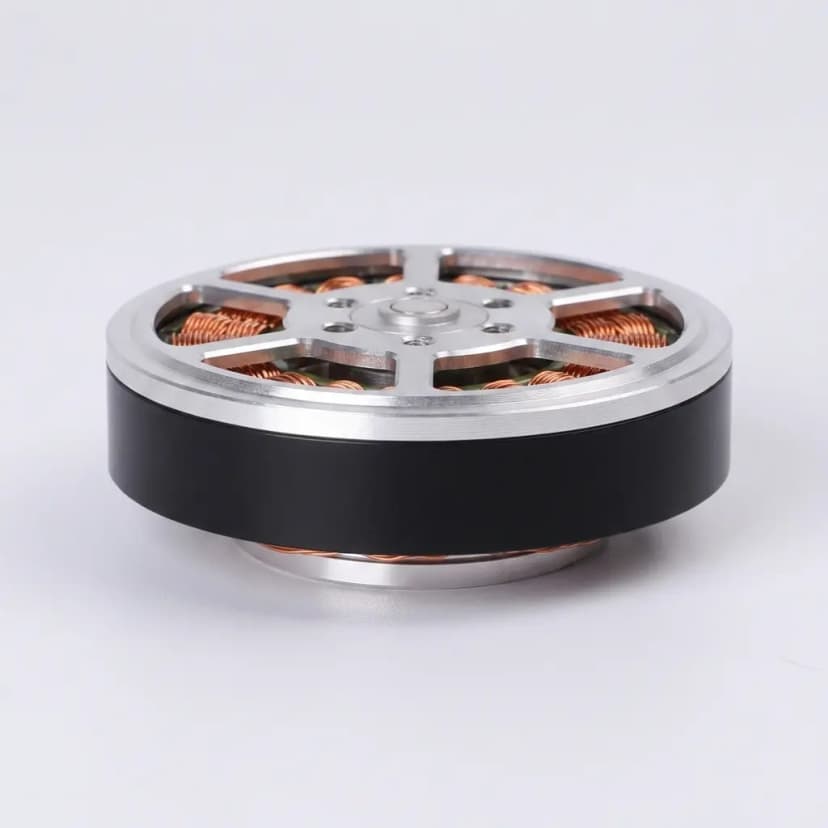
Integrated robot dog joint actuator module for quadruped platforms

Solution Highlights

  • Hip, knee, and ankle torque-class review
  • Shock-load and repeated gait duty-cycle screening
  • Sealed housing, cable routing, and sample validation planning

Common Use Cases

  • Inspection robot dogs
  • Outdoor quadruped platforms
  • Academic dynamic locomotion projects

Implementation Focus

  • Joint torque during stance, swing, landing, and recovery
  • Peak torque reserve, thermal behavior, and impact load cases
  • Output flange, sealing, harness routing, and service access

Application Decision Summary

A buyer should use this page to decide which joint risks belong to actuator selection, which belong to system validation, and what sample evidence is needed before pilot purchase.

Best Evidence

Start with peak torque reserve and connect it to the real robot duty cycle instead of reviewing catalog values alone.

Primary Risk

Catalog torque looks sufficient but gait cycle overheats

Next Buyer Action

Prepare robot weight, payload, speed, and terrain target plus validation targets before requesting samples or commercial terms.
Application Fit Method

Application pages should help a buyer decide whether the actuator direction fits the robot job before a commercial conversation starts.

Peak torque reserve

2.5–3× static torque during trot, 5× during jump landing

Quadruped joints see short transient loads beyond nominal motion requirements.

RMS torque

40–65% of peak torque over a typical trot duty cycle

Predicts heat buildup during repeated walking, trotting, and recovery cycles.

Impact tolerance

3–5× body weight ground reaction force at trot speed

Landing, slips, and obstacle contact can exceed steady-state torque assumptions.

Robot-Level Validation Plan

The actuator should be checked against the robot motion cycle, not only against a bench specification.

Signal to CheckReview BasisEvidence to Ask For
Peak torque reserve2.5–3× static torque during trot, 5× during jump landingEvaluate RMS torque and repeated cycle duty before choosing the actuator class.
RMS torque40–65% of peak torque over a typical trot duty cycleReview cable routing, sealing, connector orientation, and strain relief during RFQ.
Impact tolerance3–5× body weight ground reaction force at trot speedEvaluate RMS torque and repeated cycle duty before choosing the actuator class.

Acceptance Thresholds to Define

Define measurable pass/fail thresholds before the sample arrives. This prevents a subjective review where one team checks torque, another checks packaging, and nobody records whether the actuator can move toward pilot build.

  • Peak torque reserve: Quadruped joints see short transient loads beyond nominal motion requirements.
  • RMS torque: Predicts heat buildup during repeated walking, trotting, and recovery cycles.
  • Impact tolerance: Landing, slips, and obstacle contact can exceed steady-state torque assumptions.

When This Application Needs Extra Review

Some application risks are system-level and cannot be solved by an actuator choice alone. Identify those risks before sample purchase.

  • Catalog torque looks sufficient but gait cycle overheats: Evaluate RMS torque and repeated cycle duty before choosing the actuator class.
  • Cable exits are exposed to impacts or water ingress: Review cable routing, sealing, connector orientation, and strain relief during RFQ.

Application Data to Send First

A useful application inquiry includes enough robot context for engineering to evaluate torque, packaging, control, and delivery risk together.

Fixed Constraints

  • Robot weight, payload, speed, and terrain target
  • Joint naming with estimated torque-speed duty cycle
  • Battery voltage, current limit, and controller architecture

Review Targets

  • Cable routing, connector, sealing, and IP target
  • Prototype quantity and field-test schedule

Application Evaluation Matrix

Evaluation MetricTypical RangeBuyer Relevance
Peak torque reserve2.5–3× static torque during trot, 5× during jump landingQuadruped joints see short transient loads beyond nominal motion requirements.
RMS torque40–65% of peak torque over a typical trot duty cyclePredicts heat buildup during repeated walking, trotting, and recovery cycles.
Impact tolerance3–5× body weight ground reaction force at trot speedLanding, slips, and obstacle contact can exceed steady-state torque assumptions.

RFQ Preparation Checklist

  1. Robot weight, payload, speed, and terrain target
  2. Joint naming with estimated torque-speed duty cycle
  3. Battery voltage, current limit, and controller architecture
  4. Cable routing, connector, sealing, and IP target
  5. Prototype quantity and field-test schedule

Risk and Mitigation

  • Catalog torque looks sufficient but gait cycle overheats: Evaluate RMS torque and repeated cycle duty before choosing the actuator class.
  • Cable exits are exposed to impacts or water ingress: Review cable routing, sealing, connector orientation, and strain relief during RFQ.

Recommended Products

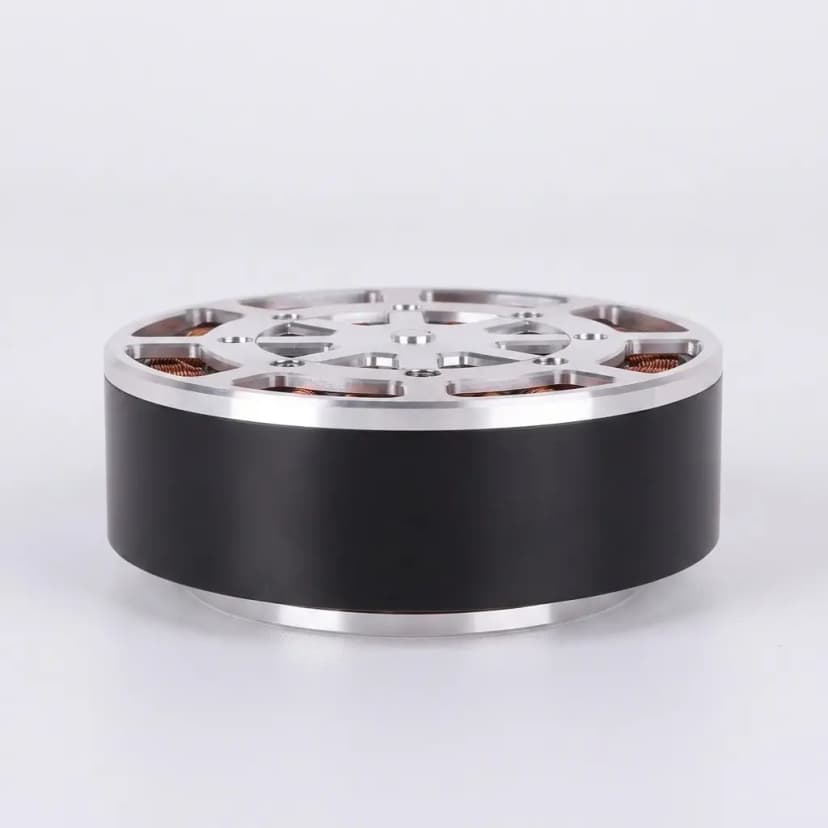
Integrated robot dog actuator module for quadruped joint development
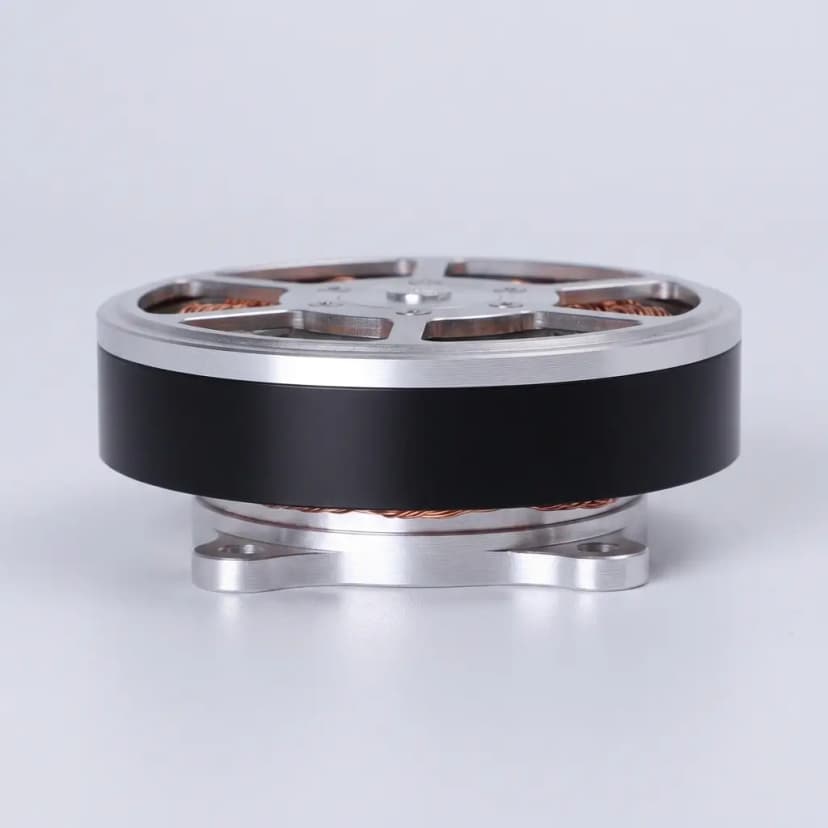
High-torque QDD actuator module for legged robot and exoskeleton joints
High-torque QDD actuator module for quadruped and exoskeleton development
Legged robot QDD actuator module for torque and backdrive review

Buyer FAQ

Can one actuator size cover all quadruped joints?

Sometimes for prototypes, but production platforms usually split hip, knee, and ankle classes.

Can you help compare our target joint torque against sample options?

Yes. Send the joint list, robot mass, gait target, voltage, and duty-cycle estimate for review.

Related Resources

  • QDD Robot Actuators
  • Low-Ratio Planetary Actuators
  • Thermal Sizing for QDD Joints
  • Contact / RFQ

Inquiry Email

[email protected]

Email app

Include robot type, joint location, torque/speed/voltage targets, quantity, and destination.

Instant Chat

+86 18857971991

Chat on WhatsApp

Send QDD actuator specs, STEP files, or actuator references for engineering review.