
Own Manufacturing Network
Shenzhen & Dongguan supplier coordination — motor, reducer, encoder, QC, and export under one program.
Compare quasi-direct-drive modules by peak and RMS torque, reducer ratio, reflected inertia, backdrive feel, thermal duty, encoder interface, and mechanical envelope before you request samples.
Inquiry Email
Include robot type, joint location, torque/speed/voltage targets, quantity, and destination.
Instant Chat
+86 18857971991
Send QDD actuator specs, STEP files, or actuator references for engineering review.
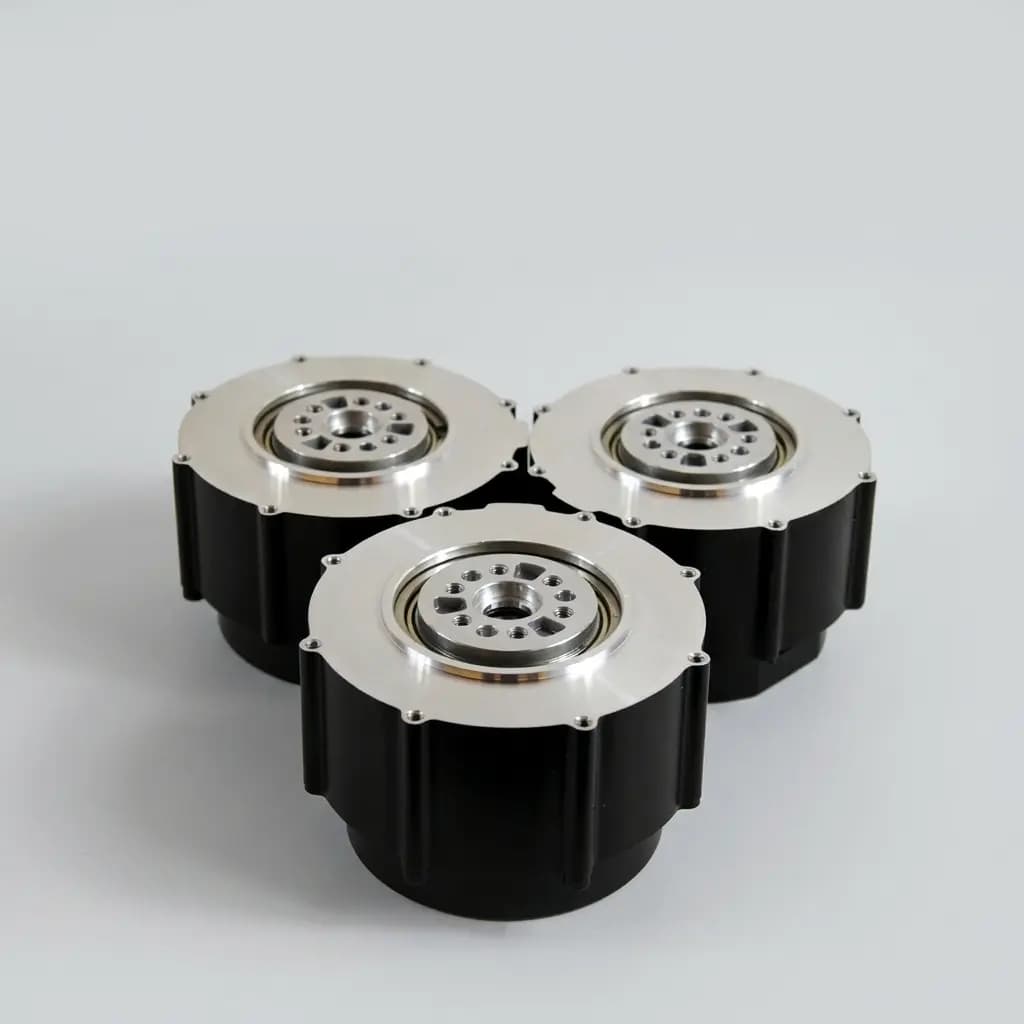
Compare peak torque, RMS torque, speed, voltage, current, and duty cycle together.
Review backdrive feel, reflected inertia, temperature rise, backlash, and impact load early.
Send envelope drawings, STEP references, interface needs, and sample acceptance checks.
Product families
Compare product families by architecture, torque class, and integration style. Each family page includes detailed specs, validation guidance, and RFQ checklists.
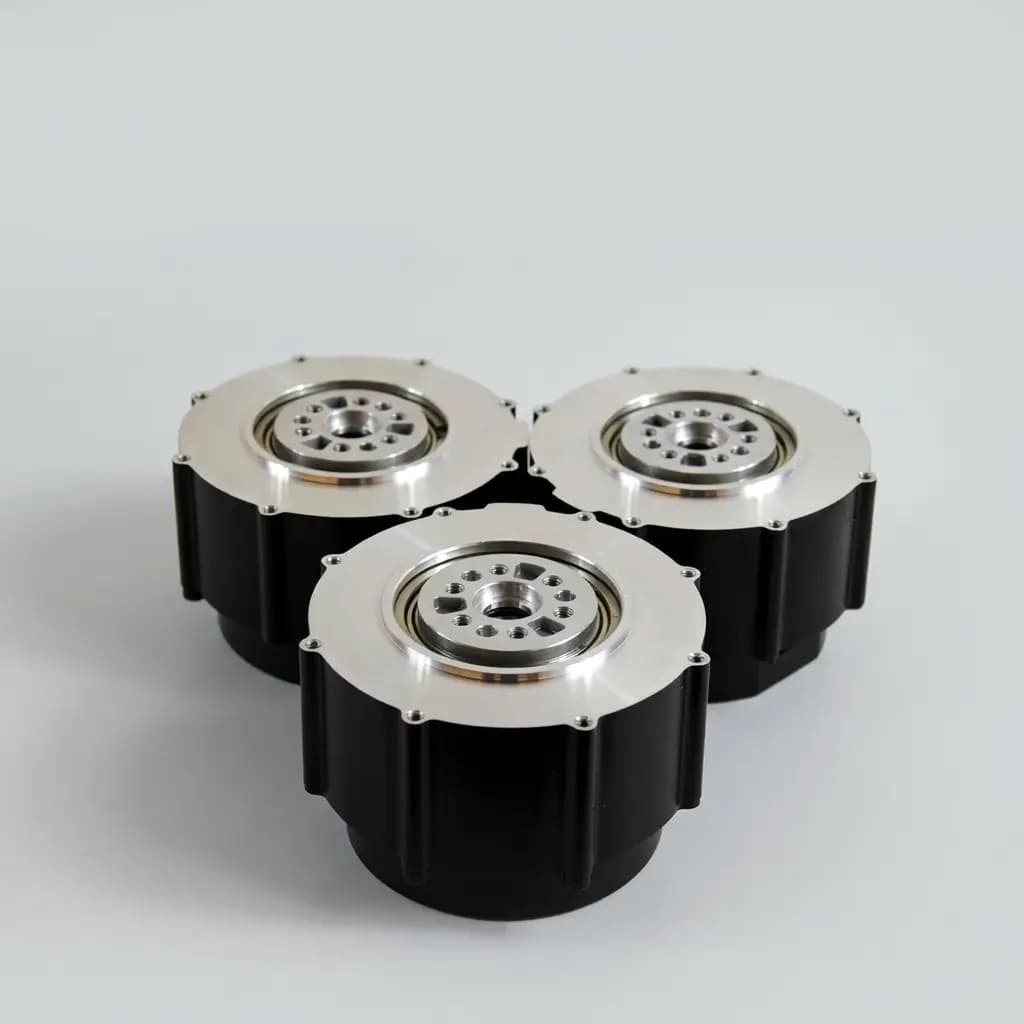
Integrated quasi-direct-drive modules for dynamic robot joints.
Low-ratio planetary · High backdrivability · OEM-ready
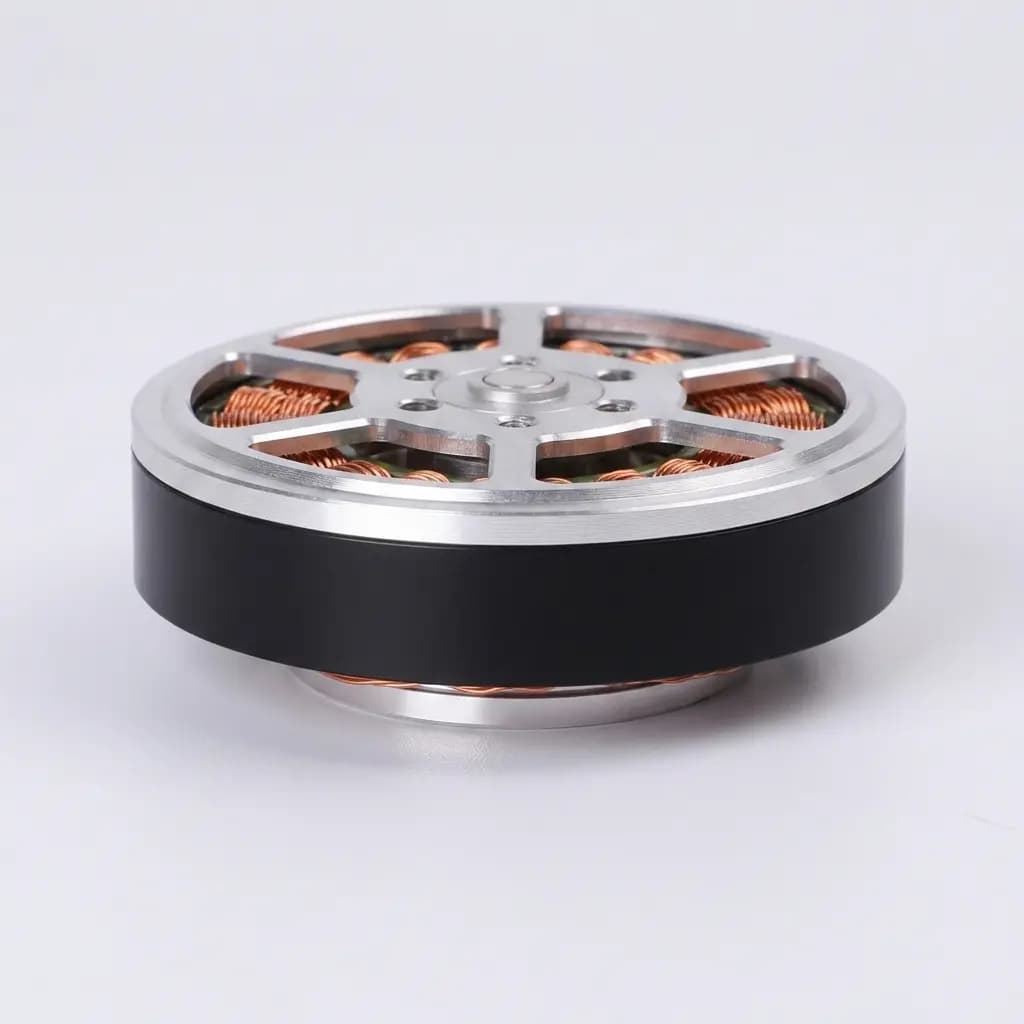
Low-impedance joints for legged robots and exoskeletons.
Force-control friendly · Impact-tolerant · Torque-transparent
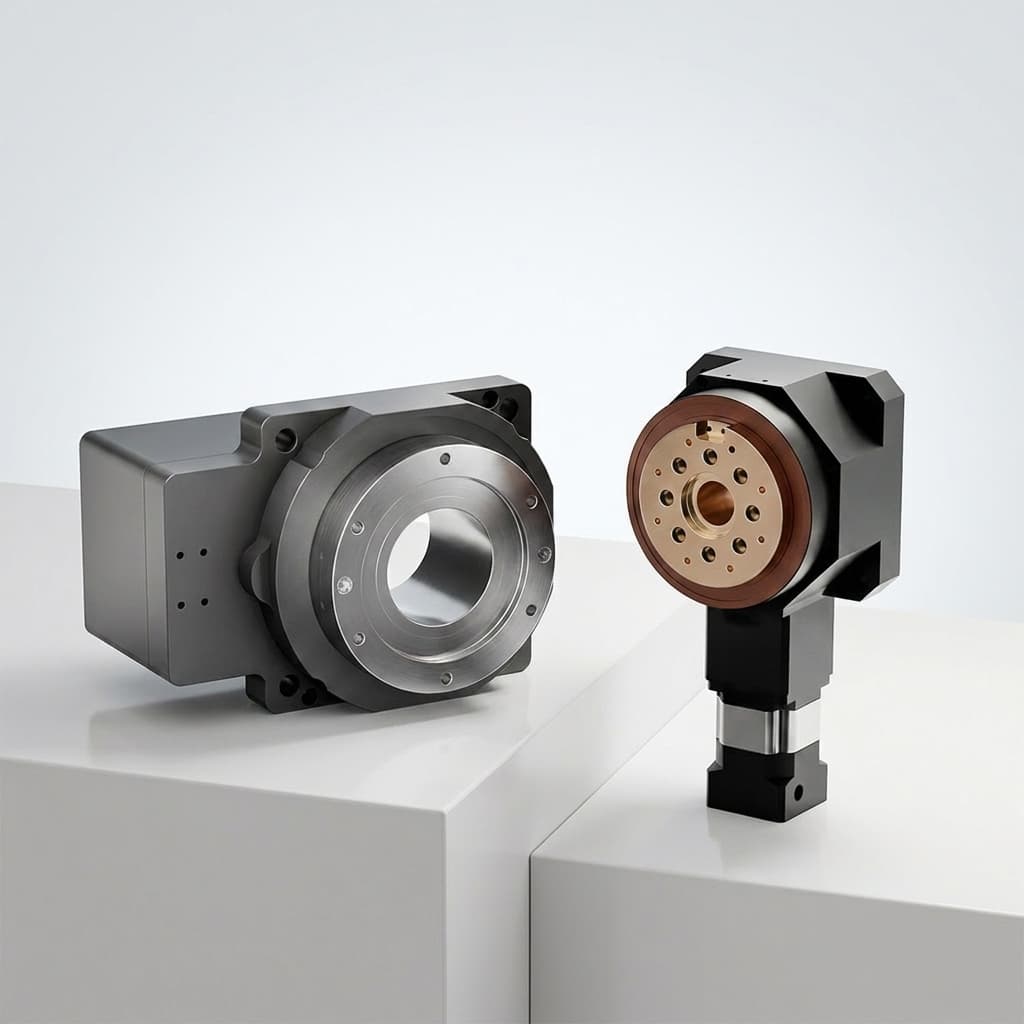
Through-bore routing for clean cable management.
Coaxial design · Compact packaging · Custom bore sizes
Maximum torque in minimum volume for weight-critical platforms.
Compact envelope · Thermal-optimized · Battery-friendly
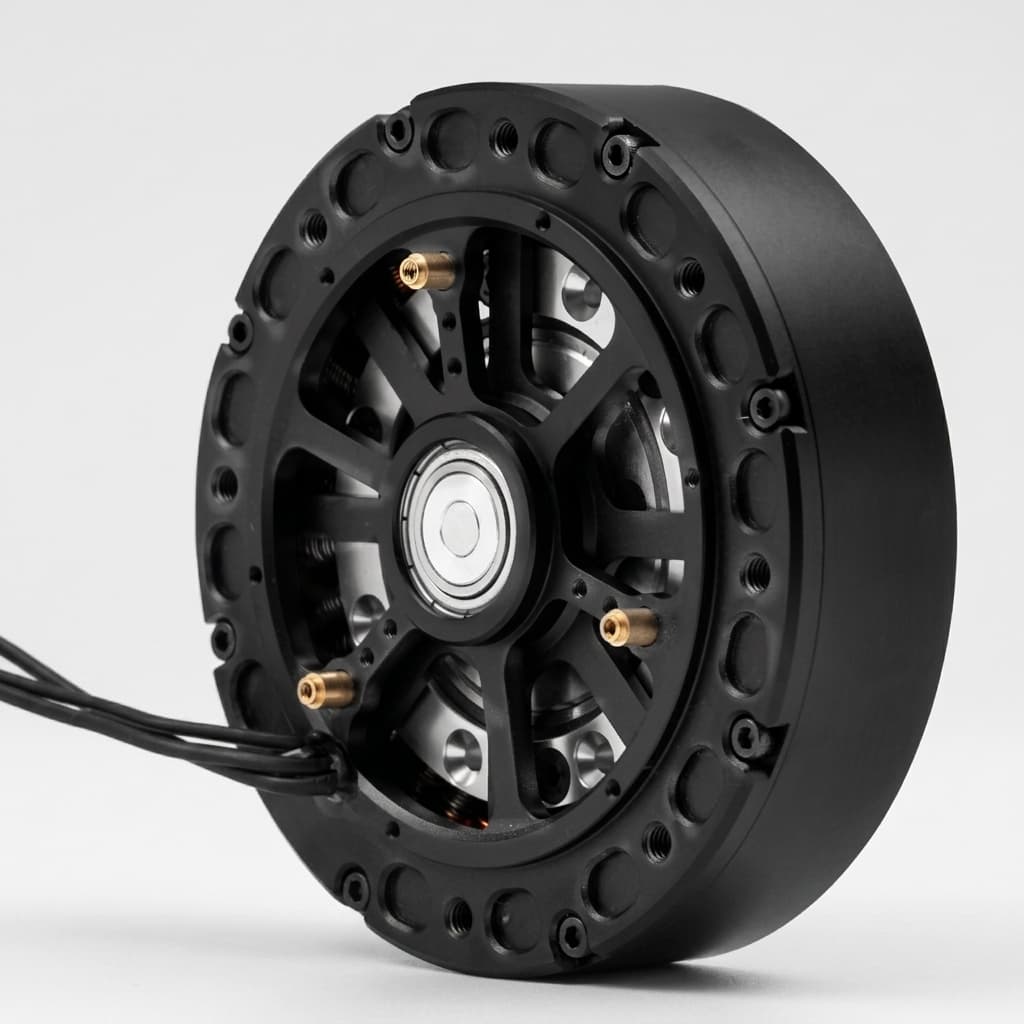
Robust planetary transmission for shock-tolerant robot joints.
Configurable ratio · Impact-resistant · Production-proven
Representative modules
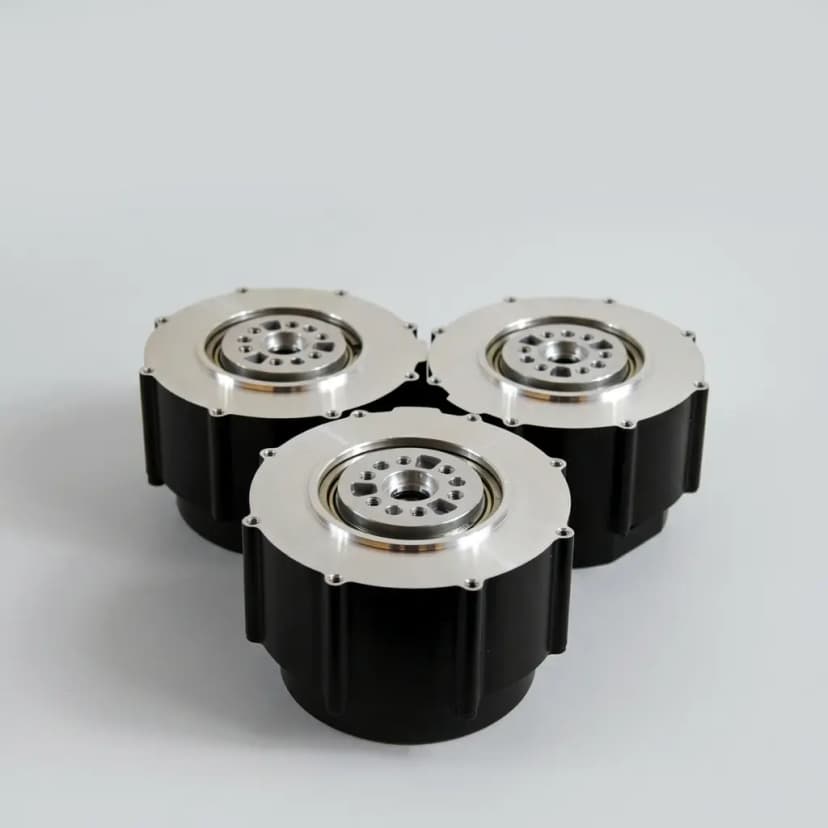
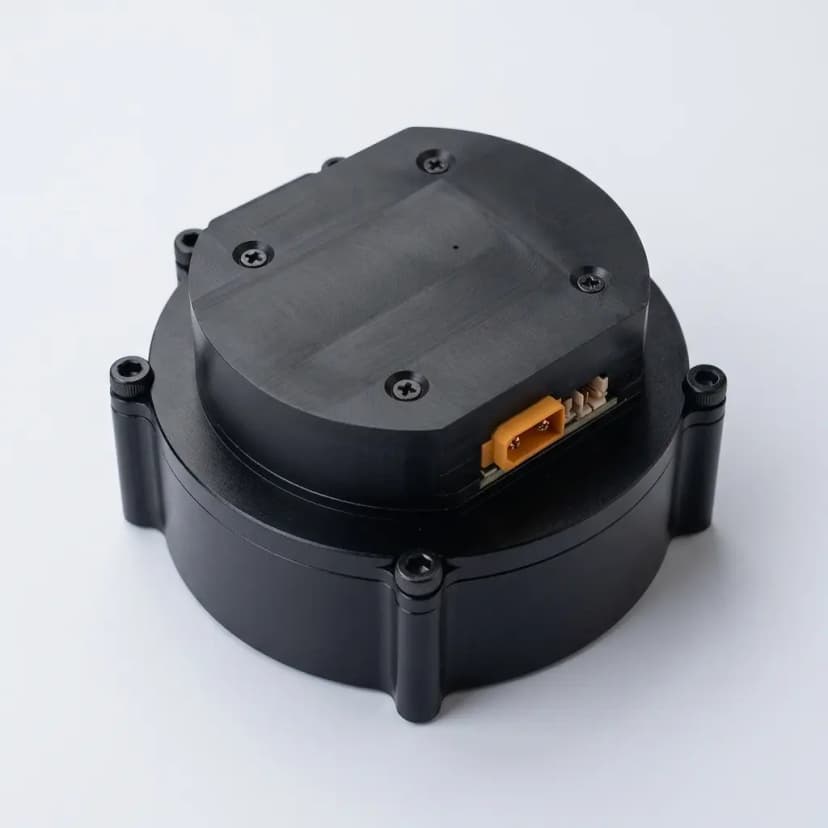
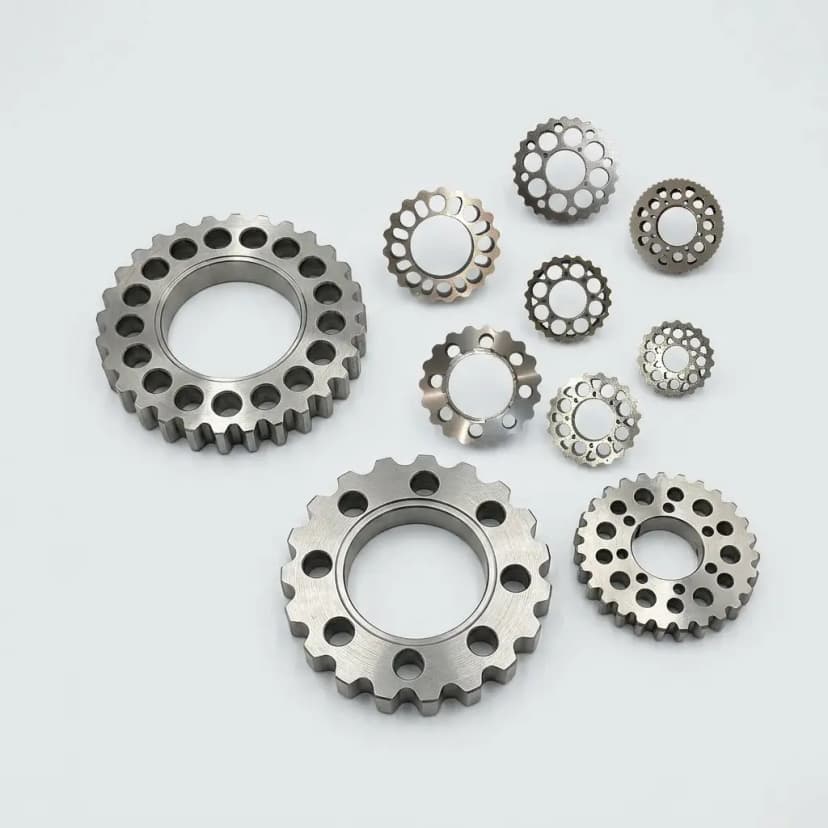
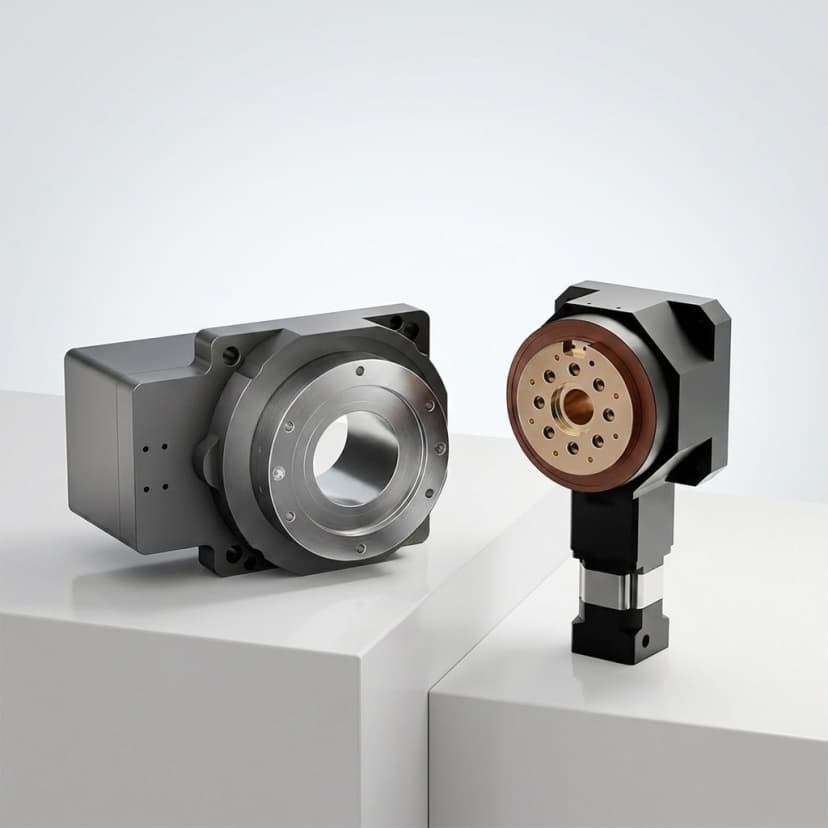
Use these product references to discuss actuator envelope, output interface, hollow routing, torque density, and robot-joint packaging before selecting a sample path.
Why work with us
Shenzhen & Dongguan supplier coordination — motor, reducer, encoder, QC, and export under one program.
Gear ratio, winding, encoder, connector, housing, and branding — from 1pc prototype to volume.
Sample from 1 pc. Small batch from 5 pcs. Volume pricing available with annual forecast.
Standard samples 5–7 days. Custom samples 2–3 weeks. Batch production 3–5 weeks.
OEM & customization
From 1pc prototype to volume — we support full actuator customization with DFM review, prototype control, quality records, and export delivery.
Every RFQ gets a technical fit assessment — torque-speed duty, thermal margin, and integration risks — before any quote.
One supplier from concept validation through pilot build to repeat orders. Revision control and outgoing QC included.
Compare major QDD actuator families before opening a detailed technical discussion.
| Family | Best Fit | Key Metric | Why It Matters |
|---|---|---|---|
| 105Nm Robotic Actuator Module | Robotics engineers and system integrators who need to screen a 105 Nm target class and verify a specific module configuration before integration. | Torque class shown on this page: 105 Nm target class; rating definition and peak duration require supplier confirmation | Torque capability depends on speed, current, pulse duration, and thermal conditions; confirm the quoted configuration before selection. |
| 105Nm Quasi-Direct Drive Actuator | Robotics R&D Engineer / Humanoid Startup CTO looking for customizable QDD modules with verified torque-to-weight ratio and backdrivability. | Peak Torque: 105 Nm (at peak phase current, short duration) | Determines the dynamic acceleration and payload support capability of legged robots during jump or high-load stance phases. |
| QDD Robot Actuators | Best for robotics teams comparing QDD joint modules for prototype validation and later batch production. | Torque class: 14–60 Nm continuous, 36–200 Nm peak across families | Separates arm, hip, knee, ankle, and lab platform requirements before samples are selected. |
| Backdrivable Actuators | Best for teams prioritizing compliance, controllability, and disturbance response over maximum static holding stiffness. | Backdrive torque: 0.3–1.5 Nm unpowered (6:1 planetary), <0.5 Nm target for exoskeletons | Shows how much external torque is needed to move the joint without a motor command. |
| Low-Ratio Planetary Actuators | Best for mechanical engineers choosing a reducer architecture for responsive robot joints. | Backlash: 5–15 arcmin (single-stage planetary), 3–8 arcmin (precision grade) | Affects position control, torque ripple, gait smoothness, and repeatability. |
| Hollow-Shaft QDD Actuators | Best for robot mechanical teams constrained by cable routing, joint envelope, and serviceability. | Pass-through envelope: 10–25 mm bore diameter depending on actuator class | Determines whether power, signal, brake, or sensor harnesses can route through the joint. |
| High-Torque-Density Actuators | Best for teams trying to reduce joint size or weight without losing torque-control behavior. | Torque density: 25–50 Nm/kg for integrated QDD modules (varies by motor class) | Directly affects leg mass, robot payload, battery runtime, and joint packaging. |
FAQ
Share the joint duty cycle, envelope, interface, quantity plan, and target documents so the first reply can focus on fit, risks, and next sample steps.
Inquiry Email
Include robot type, joint location, torque/speed/voltage targets, quantity, and destination.
Instant Chat
+86 18857971991
Send QDD actuator specs, STEP files, or actuator references for engineering review.