← Back to Engineering

Thermal Sizing for QDD Joints

How to think about RMS torque, repeated gait cycles, ambient temperature, mounting heat path, and sample validation before selecting a QDD actuator.

Best Fit:Best for teams that already know their target motion cycle and need to avoid overheating during repeated operation.
High-torque integrated actuator module for compact robot joints

Key Takeaways

  • Peak torque alone is not enough for repeated robot motion
  • RMS torque, duty cycle, mounting, and ambient temperature shape thermal margin
  • Prototype tests should validate real cycles before batch release

Where This Applies

  • Quadruped gait validation
  • Humanoid lower-limb duty-cycle review
  • Compact high-torque joint selection

Engineering Focus

  • RMS torque, peak torque duration, speed, and rest time
  • Housing heat path, mounting material, airflow, and ambient temperature
  • Driver current limits, winding choice, and thermal protection strategy

Engineering Decision Summary

A buyer should leave this note with a testable decision framework: which variables matter, what evidence is missing, and whether the actuator should move into sample selection.

Best Evidence

Start with rms torque and connect it to the real robot duty cycle instead of reviewing catalog values alone.

Primary Risk

A compact actuator is chosen from peak torque only

Next Buyer Action

Prepare motion cycle with torque, speed, and duration estimates plus validation targets before requesting samples or commercial terms.
How to Use This Engineering Note

Engineering notes should help a buyer make a practical decision, not only define terminology. Use the criteria below to convert the concept into a sample-review plan.

RMS torque

I²R losses at RMS current, target winding <120°C, housing <80°C

Better predicts heating than peak torque alone.

Thermal path

Aluminum housing 5–15 W/m²·K, forced air adds 2–3× dissipation

A compact actuator can perform differently depending on how heat leaves the joint.

Evidence to Collect During Review

The note is most useful when the buyer turns the concept into measurable checks during prototype review.

Signal to CheckReview BasisEvidence to Ask For
RMS torqueI²R losses at RMS current, target winding <120°C, housing <80°CShare duty cycle, current limit, ambient conditions, and mounting assumptions before sample selection.
Thermal pathAluminum housing 5–15 W/m²·K, forced air adds 2–3× dissipationShare duty cycle, current limit, ambient conditions, and mounting assumptions before sample selection.

Acceptance Thresholds to Define

Define measurable pass/fail thresholds before the sample arrives. This prevents a subjective review where one team checks torque, another checks packaging, and nobody records whether the actuator can move toward pilot build.

  • RMS torque: Better predicts heating than peak torque alone.
  • Thermal path: A compact actuator can perform differently depending on how heat leaves the joint.

Where This Guidance Has Limits

The guidance is a selection framework. Final actuator fit still depends on the complete robot system, controller, and validation result.

  • A compact actuator is chosen from peak torque only: Share duty cycle, current limit, ambient conditions, and mounting assumptions before sample selection.

Data That Makes the Review Actionable

When sending an engineering question, include enough context for the supplier to answer with constraints and next tests instead of a generic definition.

Fixed Constraints

  • Motion cycle with torque, speed, and duration estimates
  • Ambient temperature and mounting heat path
  • Voltage/current limit and driver thermal behavior

Review Targets

  • Acceptable temperature rise and test method
  • Sample validation plan before pilot run

Engineering Image References

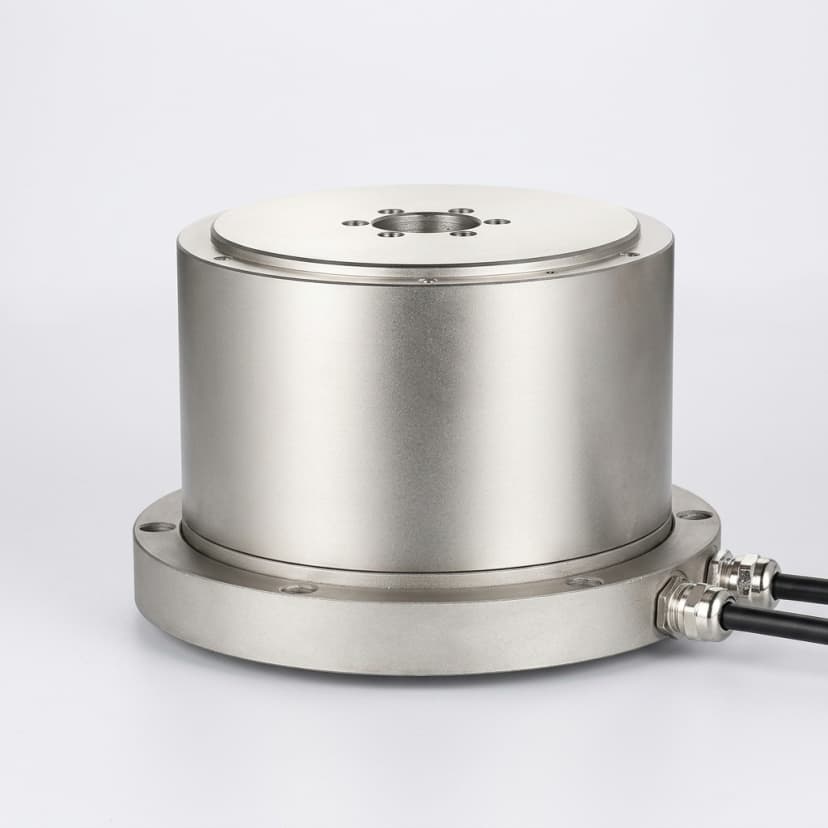
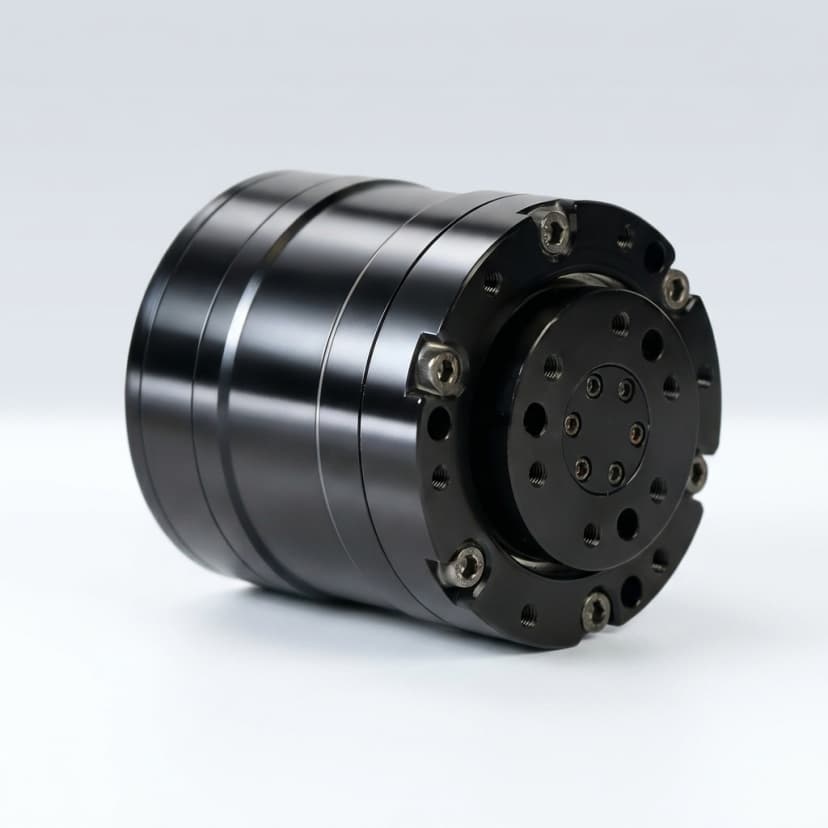
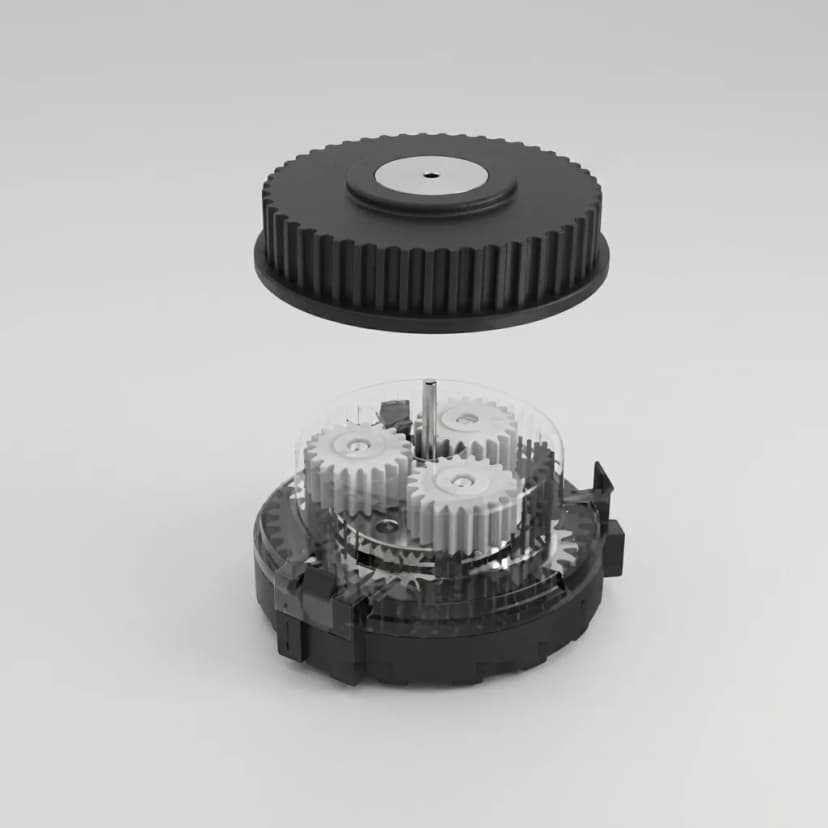
Product photos are used here as architecture references for buyer-side discussion. Final actuator selection depends on the validated joint envelope, ratio, torque-speed duty, and interface requirements.

High-torque integrated servo module for QDD actuator sizing review
Precision planetary gearbox architecture for low-ratio QDD robot joint actuator sizing
High-torque direct-drive torque motor reference for QDD sizing comparison

Selection Criteria

CriterionTypical ReviewWhy It Matters
RMS torqueI²R losses at RMS current, target winding <120°C, housing <80°CBetter predicts heating than peak torque alone.
Thermal pathAluminum housing 5–15 W/m²·K, forced air adds 2–3× dissipationA compact actuator can perform differently depending on how heat leaves the joint.

Sample Review Inputs

  1. Motion cycle with torque, speed, and duration estimates
  2. Ambient temperature and mounting heat path
  3. Voltage/current limit and driver thermal behavior
  4. Acceptable temperature rise and test method
  5. Sample validation plan before pilot run

Risk Controls

  • A compact actuator is chosen from peak torque only: Share duty cycle, current limit, ambient conditions, and mounting assumptions before sample selection.

Buyer FAQ

Can QDD Actuator guarantee thermal performance from a web page?

No. Thermal fit must be reviewed from duty cycle, mounting, controller limits, and sample validation data.

Related Resources

Inquiry Email

[email protected]

Include robot type, joint location, torque/speed/voltage targets, quantity, and destination.

Instant Chat

+86 18857971991

Send QDD actuator specs, STEP files, or actuator references for engineering review.