← Back to Solutions

QDD Actuators for Research Robots

QDD actuator sample and customization support for labs, early-stage robot teams, and engineering teams validating torque control, locomotion, and human-robot interaction.

Target Buyer:Best for teams that need accessible QDD samples plus enough engineering context to validate a research platform.
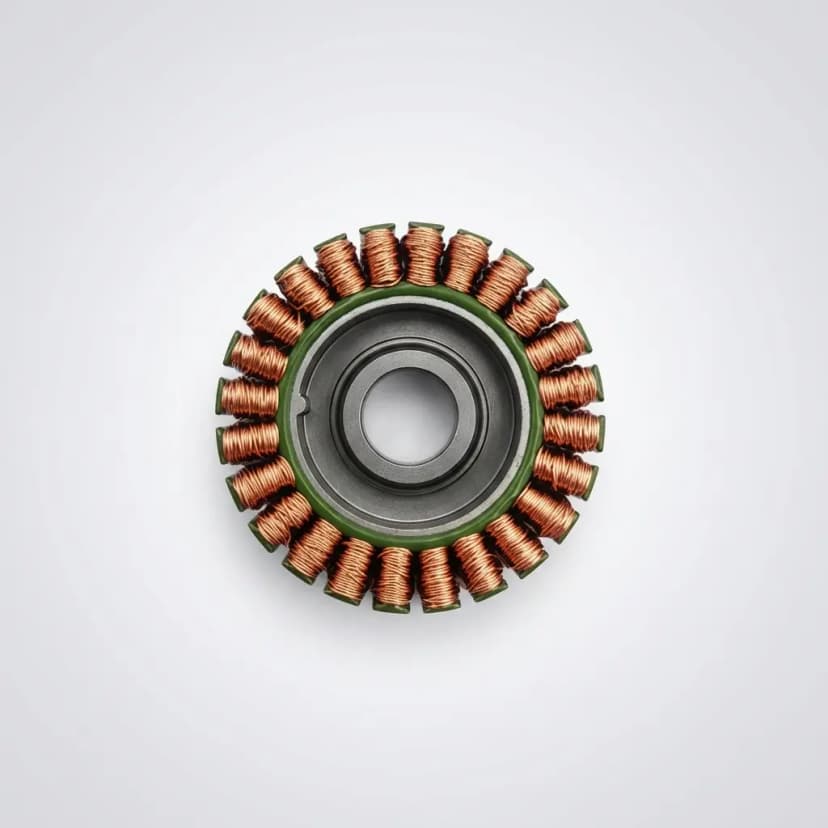
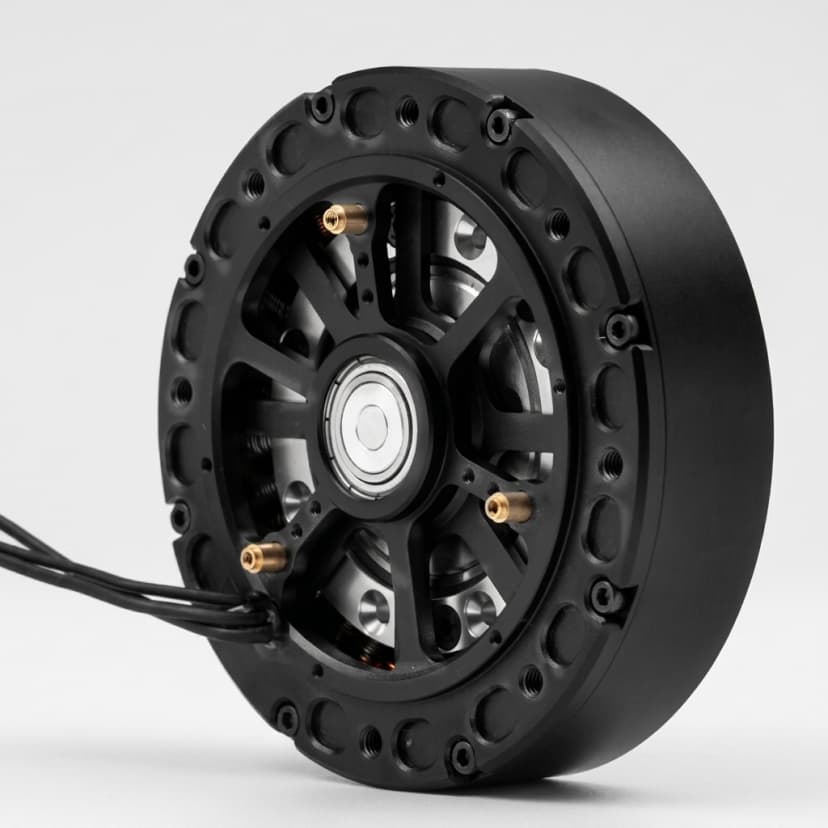
Compact robot joint module for research and prototype actuator programs

Solution Highlights

  • Sample-oriented RFQ path for lab prototypes
  • Datasheet, drawing, CAD, and torque-curve documents available by request when applicable
  • Engineering discussion around protocol, encoder, and controller integration

Common Use Cases

  • University locomotion platforms
  • Control research robots
  • Early-stage proof-of-concept robot builds

Implementation Focus

  • Prototype quantity, lab timeline, and validation metrics
  • Protocol, driver, encoder, firmware, and software integration questions
  • Documentation needs for drawings, CAD references, and operating envelopes

Application Decision Summary

A buyer should use this page to decide which joint risks belong to actuator selection, which belong to system validation, and what sample evidence is needed before pilot purchase.

Best Evidence

Start with sample availability fit and connect it to the real robot duty cycle instead of reviewing catalog values alone.

Primary Risk

Research teams order samples without integration data

Next Buyer Action

Prepare research platform type and joint count plus validation targets before requesting samples or commercial terms.
Application Fit Method

Application pages should help a buyer decide whether the actuator direction fits the robot job before a commercial conversation starts.

Sample availability fit

1–5 pcs in 2–4 weeks, 10+ pcs in 4–6 weeks

Research projects often need realistic lead times before funding or platform deadlines.

Protocol compatibility

CAN / EtherCAT / RS485, MIT-mode or FOC current control

Control research depends on reliable access to current, position, velocity, and diagnostic data.

Documentation depth

Datasheet, 2D drawing, STEP model, torque-speed curve per family

Labs often need enough drawings and operating notes to design fixtures and robot frames.

Robot-Level Validation Plan

The actuator should be checked against the robot motion cycle, not only against a bench specification.

Signal to CheckReview BasisEvidence to Ask For
Sample availability fit1–5 pcs in 2–4 weeks, 10+ pcs in 4–6 weeksRequest drawings, interface notes, driver details, and operating limits during RFQ.
Protocol compatibilityCAN / EtherCAT / RS485, MIT-mode or FOC current controlDiscuss future pilot volume, BOM freeze, inspection needs, and design changes early.
Documentation depthDatasheet, 2D drawing, STEP model, torque-speed curve per familyRequest drawings, interface notes, driver details, and operating limits during RFQ.

Acceptance Thresholds to Define

Define measurable pass/fail thresholds before the sample arrives. This prevents a subjective review where one team checks torque, another checks packaging, and nobody records whether the actuator can move toward pilot build.

  • Sample availability fit: Research projects often need realistic lead times before funding or platform deadlines.
  • Protocol compatibility: Control research depends on reliable access to current, position, velocity, and diagnostic data.
  • Documentation depth: Labs often need enough drawings and operating notes to design fixtures and robot frames.

When This Application Needs Extra Review

Some application risks are system-level and cannot be solved by an actuator choice alone. Identify those risks before sample purchase.

  • Research teams order samples without integration data: Request drawings, interface notes, driver details, and operating limits during RFQ.
  • Prototype results cannot transfer to production: Discuss future pilot volume, BOM freeze, inspection needs, and design changes early.

Application Data to Send First

A useful application inquiry includes enough robot context for engineering to evaluate torque, packaging, control, and delivery risk together.

Fixed Constraints

  • Research platform type and joint count
  • Torque-speed-voltage target and controller choice
  • Required documents: datasheet, drawing, CAD, or operating envelope

Review Targets

  • Sample quantity, destination, and required delivery window
  • Future pilot or batch forecast if the prototype succeeds

Application Evaluation Matrix

Evaluation MetricTypical RangeBuyer Relevance
Sample availability fit1–5 pcs in 2–4 weeks, 10+ pcs in 4–6 weeksResearch projects often need realistic lead times before funding or platform deadlines.
Protocol compatibilityCAN / EtherCAT / RS485, MIT-mode or FOC current controlControl research depends on reliable access to current, position, velocity, and diagnostic data.
Documentation depthDatasheet, 2D drawing, STEP model, torque-speed curve per familyLabs often need enough drawings and operating notes to design fixtures and robot frames.

RFQ Preparation Checklist

  1. Research platform type and joint count
  2. Torque-speed-voltage target and controller choice
  3. Required documents: datasheet, drawing, CAD, or operating envelope
  4. Sample quantity, destination, and required delivery window
  5. Future pilot or batch forecast if the prototype succeeds

Risk and Mitigation

  • Research teams order samples without integration data: Request drawings, interface notes, driver details, and operating limits during RFQ.
  • Prototype results cannot transfer to production: Discuss future pilot volume, BOM freeze, inspection needs, and design changes early.

Recommended Products

Robot joint module sample for compact actuator packaging review
Brushless robot joint motor module for prototype actuator evaluation
Outer-rotor brushless robot joint module for QDD-style joint development
22 Nm planetary robot joint module for low-ratio actuator validation

Buyer FAQ

Can you share CAD or datasheet files before purchase?

Available documents can be shared during RFQ when the actuator class and program context are clear.

Can research samples later become OEM batch supply?

Yes, if the prototype requirements are translated into a controlled BOM, inspection plan, and production forecast.

Related Resources

Inquiry Email

[email protected]

Include robot type, joint location, torque/speed/voltage targets, quantity, and destination.

Instant Chat

+86 18857971991

Send QDD actuator specs, STEP files, or actuator references for engineering review.